Office Removals in Soho
Moving an Office in Soho: Local Support for Busy Businesses
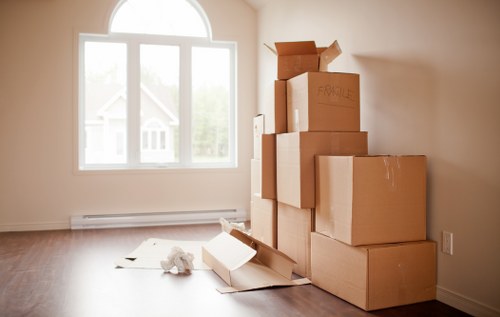
If you are planning office removals in Soho, you probably already know that moving here is not like moving in a more open suburban area. Soho is lively, compact, and constantly in motion. That is part of its appeal, but it also means office moves need careful planning, local know-how, and a team that understands how to work around narrow streets, delivery windows, shared entrances, and buildings with limited loading access.
Whether you are relocating a small creative studio, a growing consultancy, a media workspace, or a larger commercial office, the process needs to be handled with minimal disruption. Businesses in Soho often work to tight schedules, so a move has to be efficient, well-coordinated, and flexible enough to fit around your operations. A local office removals team can help reduce downtime, protect equipment, and make the transition smoother from start to finish.
Office removals Soho services are usually about much more than simply transporting desks and chairs. They can include packing, dismantling furniture, handling IT equipment, managing archive boxes, and carefully planning access for buildings that may have restrictions. When you choose a service built around Soho’s real conditions, you make the move easier for your staff and safer for your assets.
Why Soho Office Moves Need a Practical Approach

Soho is one of central London’s most distinctive business areas, and that creates both opportunity and challenge. Offices here are often located in period properties, mixed-use buildings, upper floors, converted spaces, and compact commercial units. That means stairs, narrow corridors, tight doorways, and limited lift access are all common issues. A move that would be straightforward elsewhere can quickly become complicated without proper planning.
Office relocation in Soho often needs to happen with minimal noise and disruption, especially where neighbouring businesses are close by or where access is shared with residential tenants. In many cases, the move must be timed around business hours, building rules, or busy traffic periods. This is why local experience matters: a team familiar with the area can anticipate problems before they affect your schedule.
There is also the question of parking and loading. Soho streets can be busy at almost any time of day, and finding space for a removal vehicle is not always simple. A professional team can help plan the logistics so that collections and deliveries are staged properly, which helps avoid delays and unnecessary stress. Good planning in Soho is not optional; it is part of the service.
What Our Office Removals Service Can Include
Every business move is different, so the service should be adapted to your office size, the type of items being moved, and your preferred timescale. A well-organised move can cover a wide range of practical tasks that help keep the day under control.
Typical services may include:
- Packing support for files, office supplies, and non-sensitive equipment
- Dismantling and reassembling desks, meeting tables, shelving, and storage units
- Safe handling of computers, monitors, printers, and other IT equipment
- Moving archive boxes and confidential documents with care
- Labelling systems for rooms, departments, or teams
- Loading and transporting items between offices in Soho or across London
- Unloading and placing furniture in the correct rooms at the new premises
- Waste removal or clearance of unwanted items, where required
Some customers only need help with transportation, while others want a full-service move with packing and setup support. If your office is busy, or your staff need to stay focused on work, a managed move can save valuable time. This is especially helpful for businesses handling client meetings, creative deadlines, or customer-facing activity where even one extra day of disruption can be costly.
Working Around Soho’s Buildings, Streets, and Timings

One of the reasons people look for Soho office removals specifically is that they need a team who can cope with central London conditions. Soho’s street layout, vehicle restrictions, and busy pedestrian flow mean that timing matters. In some cases, the move may need to be arranged for early morning, later in the day, or over a weekend if that works better for the building and the business.
Many offices in Soho are situated in buildings with limited access points, shared halls, or upper-floor spaces where furniture has to be moved carefully through tight areas. This can affect everything from the route taken by removal staff to the type of equipment used on the day. A well-prepared team will look at access details in advance and plan accordingly, which helps avoid damage and unnecessary delays.
Local knowledge also helps with nearby areas such as Covent Garden, Mayfair, Fitzrovia, Bloomsbury, Chinatown, and the West End generally. Offices near these neighbourhoods often face the same access issues, so a removal service that already works in central London will usually be better prepared for the practical realities of the move. For Soho businesses, convenience is often just as important as capacity.
Residential and Commercial Customers in the Same Area

Soho is unusual because business premises and residential properties sit very close together. That means office removals in the area may need to be carried out with extra consideration for neighbours, building management, and shared access spaces. Even a small office move can involve careful scheduling to reduce disruption to residents, customers, and nearby businesses.
Commercial clients in Soho may include agencies, design studios, media teams, finance firms, production offices, and professional services businesses. Each one has different priorities. Some need speed. Some need security. Some need precise handling of equipment and records. A local removals company should be able to tailor the process to suit the type of business being moved, rather than offering a one-size-fits-all approach.
Residential customers also sometimes need help when they are relocating home offices or studio spaces from a flat above a commercial unit or from a mixed-use building in the area. If your workspace includes heavy equipment, large filing cabinets, or delicate electronics, specialist handling can make a noticeable difference. For customers who work from home in Soho or nearby, professional moving support can help protect the items that keep their business running.
How the Move Is Usually Planned
A smooth move starts well before the removal van arrives. The best results usually come from a clear plan that covers access, timing, packing, and the sequence of the move. This matters even more in Soho, where there is less margin for error than in a more open area.
Here is a typical process for office removals Soho customers may expect:
- Initial discussion about the size of the office, item list, access conditions, and moving date
- Site review or detail check to understand stairs, lifts, parking, and loading arrangements
- Move planning covering packing materials, team size, schedule, and route planning
- Preparation such as labelling, packing, dismantling furniture, and protecting items
- Moving day execution with loading, transport, delivery, and placement at the new office
- Optional setup support for desks, furniture, and work areas if included in the service
This kind of structure helps reduce confusion and ensures the people involved know what happens next. It is especially useful for businesses that need to keep downtime short. Clear planning gives you control, even if your move has to take place in one of London’s busiest districts.
What to Prepare Before the Moving Day

Preparation can make a major difference to how quickly the move goes. Even a well-run service works better when the office is ready before the crew arrives. A few simple steps can save time, protect items, and keep the move organised.
Useful preparation steps include:
- Create a list of items that must be moved, stored, disposed of, or left behind
- Label boxes by room, team, or priority so they are easy to place later
- Back up important digital files before disconnecting devices
- Remove personal items from desks and storage areas
- Check whether the building has access restrictions, security procedures, or booking requirements
- Decide who will oversee the move on the day and answer any questions
- Confirm where items should be unloaded at the new premises
It is also sensible to speak to staff in advance about what they need to pack themselves and what will be handled by the removal team. When everyone knows the process, the move tends to feel calmer and more efficient. Even small preparations can prevent larger problems later.
Handling Office Furniture and Equipment Safely
Office moves often involve items that are bulky, fragile, or both. Desks, chairs, filing cabinets, server equipment, screens, printers, and meeting room furniture all require different handling methods. In a Soho office, where access may be tight and corners may be awkward, careful moving techniques become even more important.
Furniture dismantling and reassembly can help protect items and make transport easier through stairwells and narrow corridors. Some items may need to be wrapped or padded to help prevent scratches and other damage. IT equipment often needs extra attention, especially if your business depends on getting systems back online quickly after the move.
Confidential documents should be packed securely and moved with a clear chain of responsibility. This matters for legal firms, agencies, finance teams, and any business that handles sensitive customer or employee records. A reliable removals team should work with care, discretion, and good organisation throughout the process. Trust is a major part of office removals in Soho.
What Affects the Cost of an Office Move?
People often want an estimate early, which is understandable. While exact prices cannot be listed without knowing the move details, several factors usually influence the final quote. Being aware of them can help you compare options fairly and ask better questions when you request a quotation.
The main pricing factors usually include:
- The size of the office and total amount of furniture or equipment
- Distance between the current and new premises
- Whether packing, dismantling, and reassembly are required
- The number of floors involved and whether lift access is available
- Parking, loading, and access conditions in Soho or the destination area
- How quickly the move must be completed
- Whether specialist items need additional care
- Whether disposal, recycling, or clearance services are included
For many local customers, the most valuable quote is not the cheapest one, but the one that clearly explains what is included and what may create extra work. A good office removals provider should be happy to discuss these details in plain language so you can make an informed decision.
Why Choose a Local Soho Removal Team?
There is a real advantage in working with a team that already knows the area. Soho is not the place for guesswork. A local company understands the traffic patterns, loading challenges, shared access issues, and common building types that affect office moving day. That kind of experience can save time and reduce stress.
Local expertise is particularly useful if your office move involves nearby central London areas such as the West End, Mayfair, Fitzrovia, Marylebone, or Holborn. Moving between these locations may seem straightforward on a map, but the route, parking, and access conditions can make a noticeable difference on the day.
Choosing a local team can also improve communication. If your move needs to be adjusted because of building rules, a delayed handover, or a change in office readiness, someone familiar with the area will often be better placed to adapt quickly. This kind of flexibility is especially helpful for businesses that cannot afford long interruptions. Local knowledge brings practical value.
Which Businesses in Soho Often Need Office Removals?
Soho has a broad mix of business types, and each one may need office removal support for different reasons. Some firms are moving to a larger space because the team has grown. Others are downsizing, reorganising, or relocating to a more efficient workspace. Sometimes the move is part of a lease change or a building redevelopment. Whatever the reason, the service should fit the customer’s real business needs.
Common customers include:
- Creative agencies and production teams
- Marketing and media companies
- Professional service firms
- Technology startups and small offices
- Consultancy businesses
- Shared offices and co-working operators
- Retail offices and back-of-house commercial spaces
- Home-based professionals with studio or office equipment
Because each business has a different workflow, it helps to work with a removals team that can adapt to your operational requirements. A carefully managed move can protect productivity, reduce interruption, and make it easier for staff to settle into the new workspace.
Areas Covered Around Soho
Office removals in Soho often extend beyond the immediate district, especially when businesses are moving between central London locations. A local team may also help customers moving in or out of nearby neighbourhoods, depending on the route and service type.
Areas commonly covered include:
- Soho
- Covent Garden
- Mayfair
- Fitzrovia
- Marylebone
- Holborn
- Chinatown
- Bloomsbury
- The West End
- Oxford Circus and nearby commercial streets
If your office is located near one of these areas, a local move team can often help plan the route and schedule around central London conditions. This is useful whether you are moving a single suite, a whole floor, or a compact office that still has valuable items and limited time to move them.
Preparing Your Team and Minimising Downtime
One of the most important parts of an office move is keeping your business running. That means the move should be designed around your schedule, not the other way around. Many Soho businesses prefer moves outside peak hours, at the weekend, or in stages so they can keep key work going for as long as possible.
Helpful ways to minimise downtime include:
- Moving non-essential items first and critical equipment last
- Staging the move in phases if the office is large or busy
- Assigning one staff member to coordinate with the removal team
- Labelling workstations clearly so setup is faster at the new site
- Planning IT disconnection and reconnection in the correct order
Good office removals are not just about transport. They are about keeping your business organised through a temporary period of change. If your team knows what to expect, the move becomes far less disruptive and much easier to manage.
What to Ask Before You Book
If you are comparing office removal services, it helps to ask questions that reveal how the move will actually be handled. A reliable provider should be happy to explain their process clearly and help you understand what is included.
You may want to ask:
- How do you handle access issues in central London buildings?
- Can you help with packing, dismantling, and reassembly?
- How do you protect fragile office equipment during transport?
- What do you need from us before the move day?
- Can the move be done outside normal working hours if needed?
- Do you offer support for clearance or disposal of unwanted items?
- How are the loading and unloading points planned for Soho streets?
These questions are practical, not complicated, and they help you compare services on the basis of fit rather than vague promises. The best outcome is a move that is well coordinated and suited to your building, your timetable, and your business priorities.
Frequently Asked Questions
How far in advance should I arrange office removals in Soho?
It is best to arrange the move as early as possible, especially if you need a particular date, have building access restrictions, or need support with packing and dismantling. Soho moves can involve planning around traffic and loading arrangements, so allowing time for preparation is helpful.
Can office removals be done outside working hours?
In many cases, yes. Early morning, evening, and weekend moves may be possible depending on your requirements and building rules. This can be especially useful for businesses that want to reduce downtime and avoid interrupting staff or customers.
Do you move IT equipment and office electronics?
Yes, office removals commonly include computers, monitors, printers, and other electronics. These items should be packed and handled carefully so they can be moved securely and reconnected at the new office as efficiently as possible.
What if my office is on an upper floor with limited access?
This is common in Soho and nearby central London areas. A local team can plan for stairs, lifts, narrow corridors, and other access limitations in advance, helping ensure the move is completed safely and with less disruption.
Can you help with packing before the move?
Yes, packing support is often available. This can include boxes, labelling, protective wrapping, and organisation of office contents. It is especially helpful for busy teams that do not have time to pack everything themselves.
Do you also handle clearances or unwanted items?
Many office moves include sorting out items that are no longer needed. If clearance is part of your requirements, it is worth discussing this early so it can be included in the move plan.
Book Your Office Removal in Soho
If your business is preparing to move, now is the right time to start planning. A well-organised office move can save time, protect equipment, and help your team get back to work sooner. The key is to choose a service that understands Soho’s practical challenges and can tailor the move to your office layout, schedule, and priorities.
Whether you are relocating a small workspace, moving a growing team, or shifting equipment between central London premises, a professional removal service can help make the process easier. From packing and loading to transport and setup, the right support keeps everything on track.
Request a free quote or contact us today to discuss your office move in Soho. If you are ready to plan your relocation, book your service now and take the first step toward a smoother moving day.